The Winterfolk Story
Twenty-Five Years of Artists, Audiences, Songs and a Festival Nobody Had Planned
The Winterfolk Story
Twenty-Five Years of Artists, Audiences, Songs and a Festival Nobody Had Planned
An Idea Without a Blueprint
Winterfolk began in 2002 without a business plan, a mission statement, a strategic vision, or much of anything else normally associated with sensible organizational behavior.
It began with an idea.
At the time, Ontario’s folk-festival season ran largely through the warmer months. Summer ended, the tents came down, and for much of the rest of the year the festival circuit essentially went into hibernation.
For artists, that left a long hole in the calendar. Festival stages were busy in summer and considerably less busy when summer disappeared.
Winterfolk deliberately landed in the middle of that hole.
There were plenty of musicians in Toronto. There were audiences. There were clubs. There was folk music, roots music and a particularly strong blues community. What there wasn’t, as far as anyone involved with Winterfolk could determine, was a model for putting those things together into an indoor, multi-venue festival in downtown Toronto in the middle of winter.
So Winterfolk had no blueprint to follow.
That turned out to be useful.
The idea itself came from a less philosophical source. After years of trying unsuccessfully to get onto the established festival circuit, festival founder Brian Gladstone joked to some fellow musicians that perhaps the solution was simply to start another festival.
Unfortunately, people said yes.
By the time it became apparent that artists had actually been invited to a festival that didn’t exist, there were two choices: explain the joke or build the festival.
Winterfolk was built.
Nobody knew it at the time, but something else was being built with it: a place where different generations of musicians and audiences could meet.
The phrase would come much later.
The idea was already there.
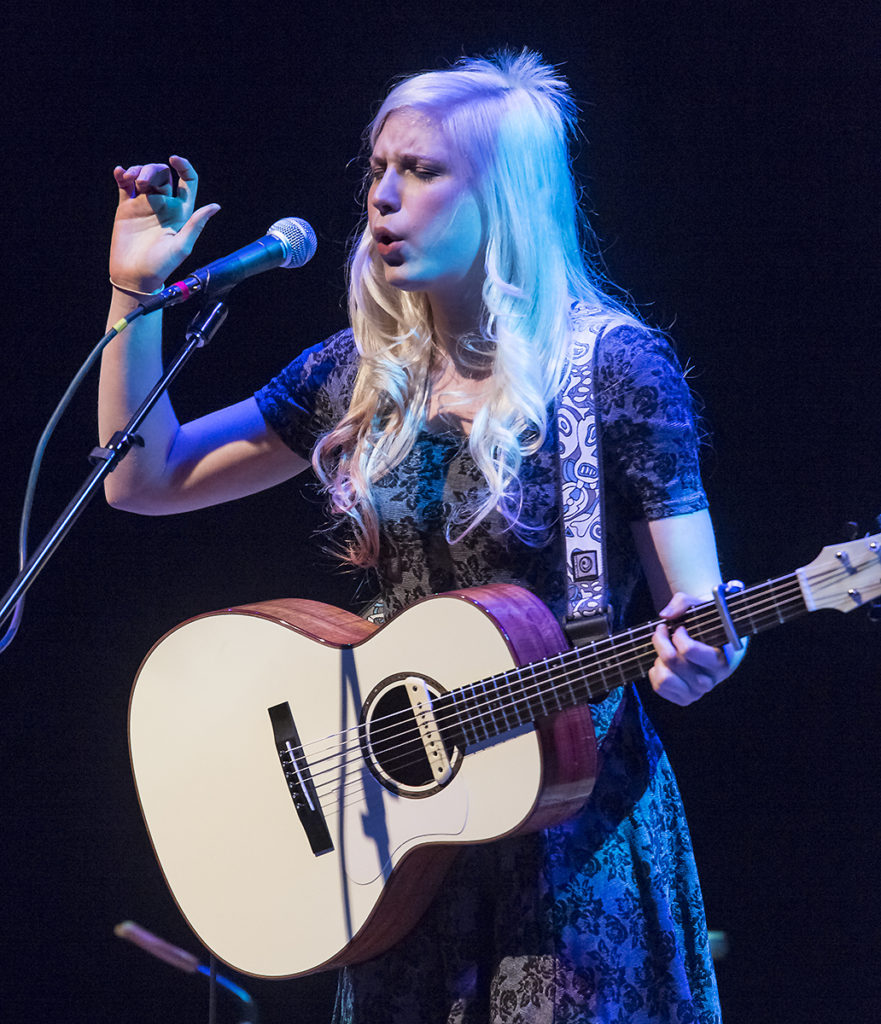
A young Ariana Gilles Does Winterfolk
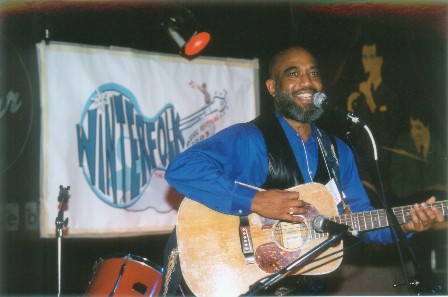
Josh White Jr. does Winterfolk I
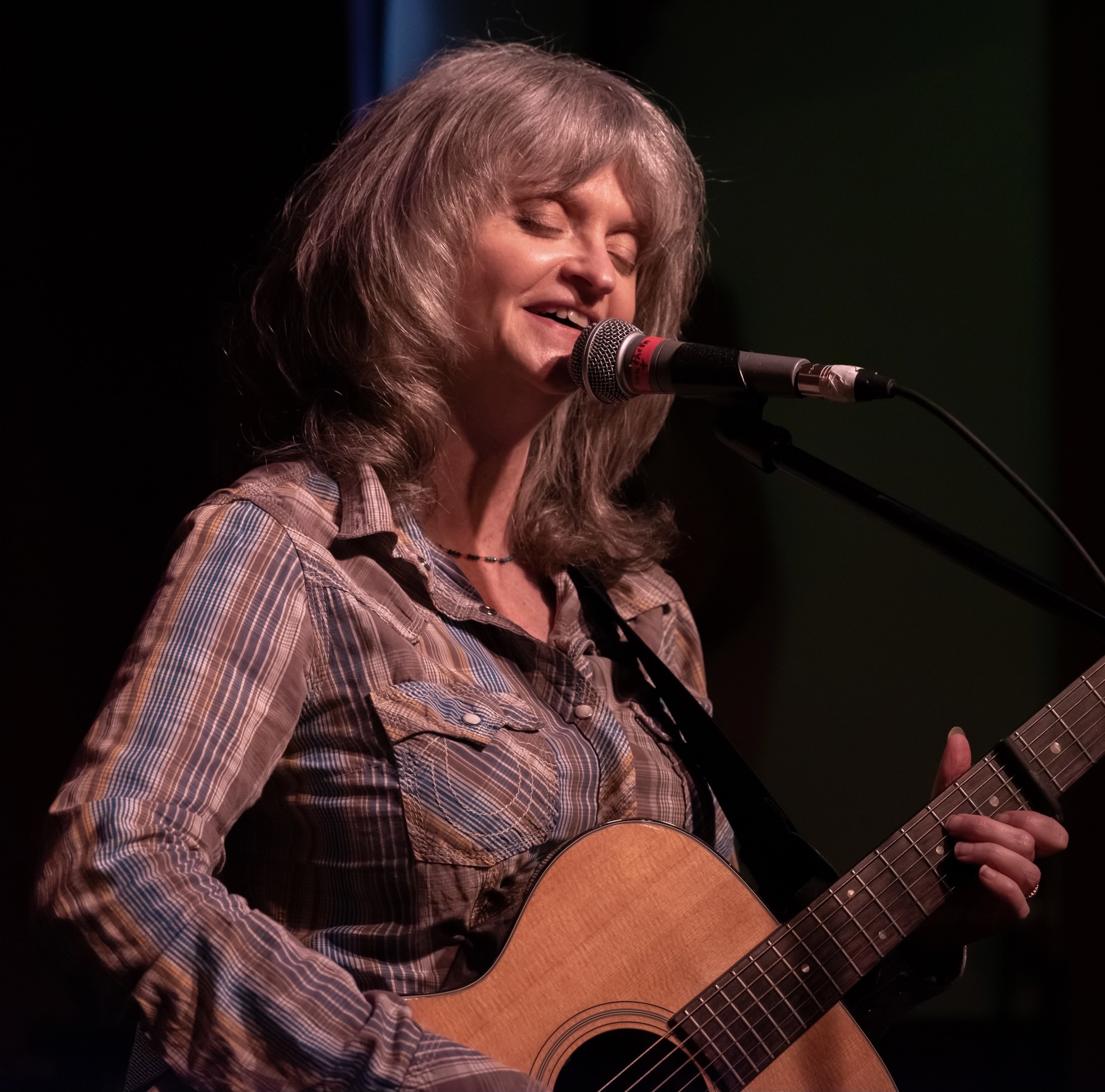
Local Singer / Songwriter Lynn Harrison dazzled the audience in the early Winterfolk years

Sue and Dwight Play the early years at Winterfolk
Something Worked
The first Winterfolk Blues & Roots Festival took place in 2003 around College and Spadina in downtown Toronto.
Nobody involved had produced anything quite like it before, largely because nobody could find anything quite like it to copy.
For an event being assembled without an established model, an alarming number of things went right.
The festival brought emerging performers and established artists into the same rooms. A 17-year-old Serena Ryder travelled from Peterborough to perform at her first festival. Tom Rush made room in his touring schedule. Artists appearing in Winterfolk’s early years included Josh White Jr., Laura Smith, Jack deKeyzer, Suzie Vinnick and Digging Roots.
Different generations. Different stages of careers. Same rooms.
The names are interesting in retrospect, but that isn’t really the point.
Winterfolk didn’t create their careers.
The artists did that.
Winterfolk gave them a stage.
On the third and final day of Winterfolk I, Gladstone sat in the bleachers at Convocation Hall and looked across the crowd.
There was finally time to comprehend what had happened.
The artists had come. The audiences had come. People were moving between performances. Something that had existed only as an idea a short time earlier was now sitting there making music.
It had worked.
And possibly it was worth doing again.
So Winterfolk came back the following year.
They were too busy doing it.
A Place to Gather
By the early years, something else was becoming apparent.
Winterfolk wasn’t simply presenting a series of concerts.
A community was gathering around them.
Toronto already had strong folk, roots and blues communities. Winterfolk didn’t invent any of those, nor would it be sensible to claim it did. What the festival provided was a place where those overlapping communities could gather at the same time.
Musicians saw their peers. Audiences encountered artists they already knew and discovered others they didn’t. Presenters met performers. Artists met other artists. Fans met each other.
Older musicians encountered younger musicians. Younger musicians found themselves sharing stages with people who had been doing it for decades.
Nobody called it connecting generations.
They were too busy doing it.
For one weekend in the middle of winter, a considerable portion of the music community was in the same place.
That became one of Winterfolk’s most important functions.
It also created paid work during a part of the year when festival work was scarce.
The word paid matters.
Winterfolk has always put a value on an artist’s time, talent and work. From the beginning, Gladstone’s view was uncomplicated: if a festival sells tickets to hear musicians perform, asking those musicians to work for nothing seems a rather peculiar interpretation of the music business.
Artists at Winterfolk are paid.
The amount available has varied with the festival’s finances, and Winterfolk has never pretended to possess unlimited resources.
The principle is considerably simpler than the accounting:
Treat artists properly. Pay them as well as circumstances allow. Try to make sure they leave wanting to come back.
Happy artists make a great festival.
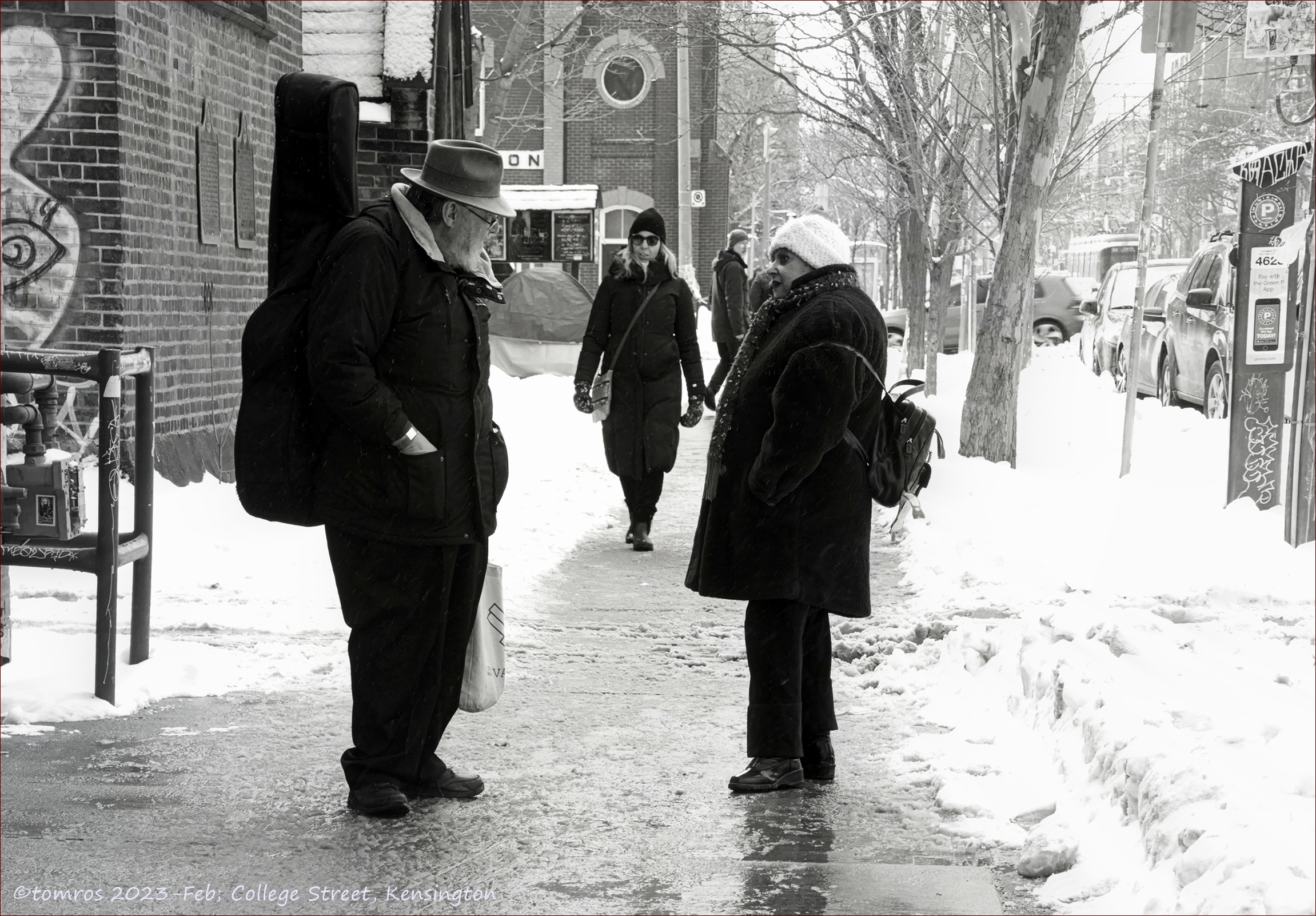
A coming together of art and community on the side walk
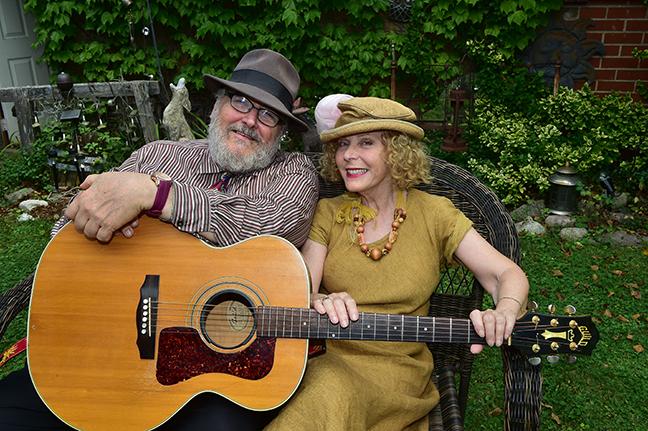
Local Duo ‘Q & A’ are a Winterfolk fan favorite. Tony Quarrington and Zoey Adams
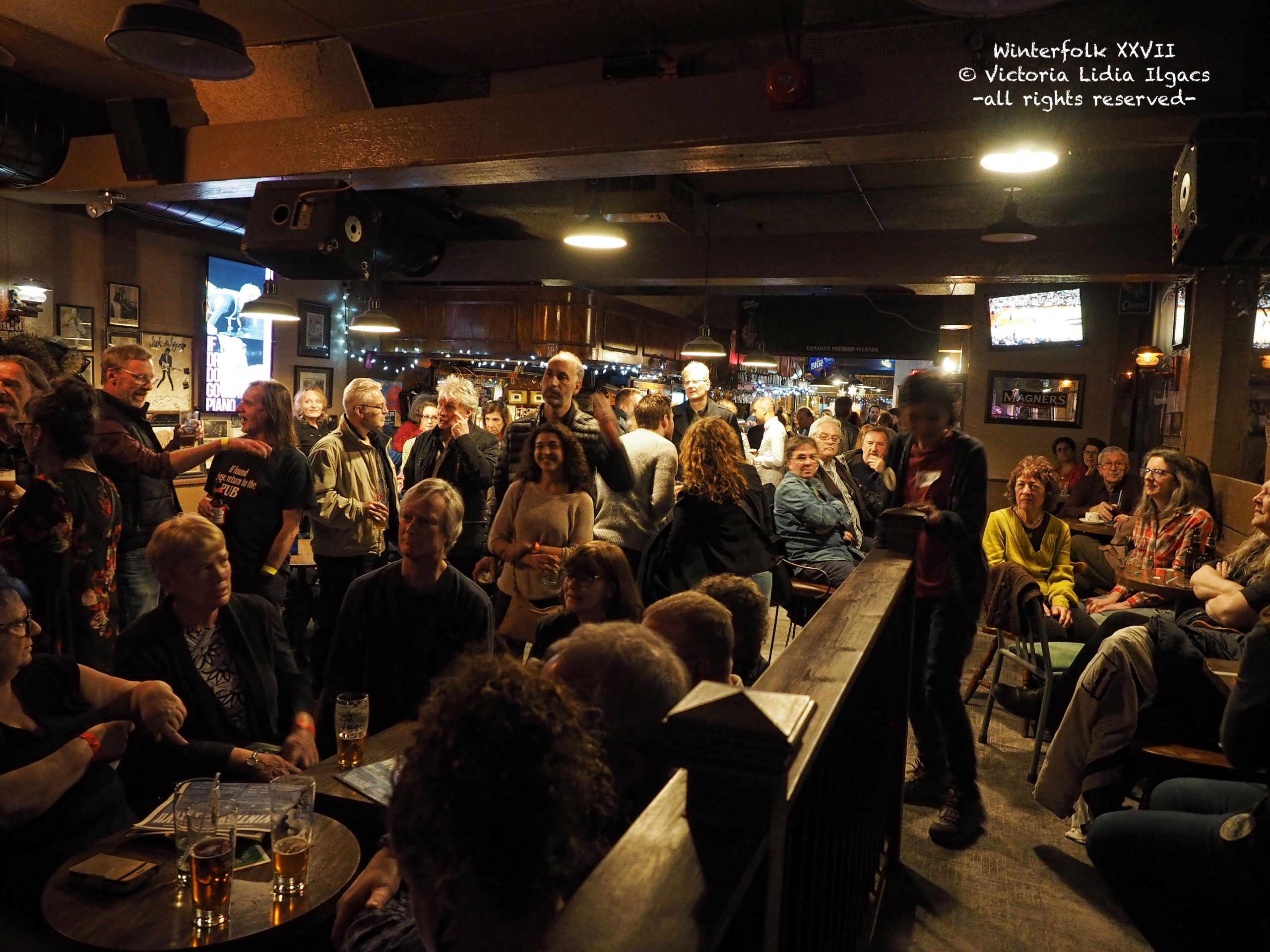
Audience Song Writing Workshop – The audience is broken down artists led sessions and they write and perform a new song written in 40 minutes. It’s a fan favorite.
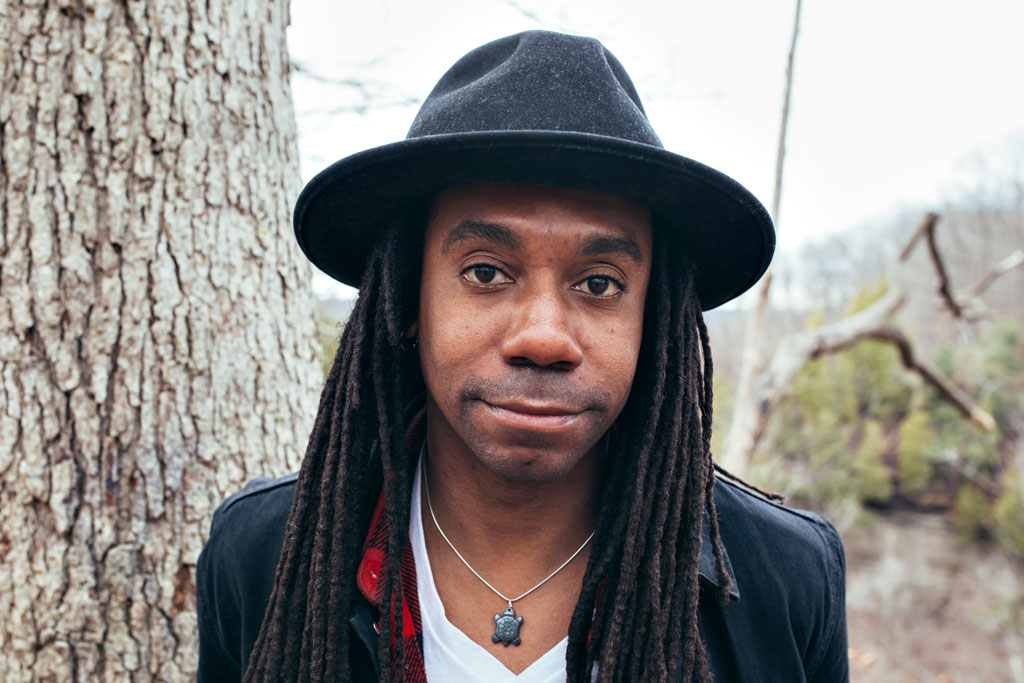
Julian Taylor was working as a bar tender in one of our early Winterfolk venues. He told Brian Gladstone that his goal was to play at Winterfolk. Julian played at Winterfolk, his first festival, and the rest is history. Talent rises to the top, very quickly.
Getting Inside the Music
More that Putting Artists on Stages
Winterfolk discovered early that a festival could do more than put musicians on stages and ask them to play songs.
Workshops became an important part of the experience.
A concert tells an audience what an artist created.
A good workshop can reveal why.
Songwriters talk about where words come from, how songs are assembled, how personal experience becomes material, and how politics, social injustice, relationships and events in the world find their way into music.
Then the audience starts asking questions.
Often, that is where things become interesting.
At first, Winterfolk assigned artists to workshop topics it thought would suit them. It soon discovered a better source of workshop ideas:
The artists.
Artists began proposing subjects and bringing together performers with shared interests, experiences or stories.
When artists own the idea, they tend to own the room as well.
One workshop captures the concept particularly well. Two artists divide the audience into two groups. Each artist then has 45 minutes to help half the room write a song.
At the end, two songs that didn’t exist three-quarters of an hour earlier are performed by the people who just wrote them.
Part concert. Part songwriting lesson. Part controlled musical accident.
Engage. Educate. Entertain.
The workshops also did something less obvious.
Experienced songwriters shared what they knew. Younger artists brought their own ideas. Audiences became part of the process. People who might never have spoken to each other outside the festival suddenly had a song to talk about.
Music moved around the room.
So did experience.
Connecting generations had begun to become part of what Winterfolk did, even though nobody had given it a name yet.
Growing Into Toronto
Part controlled musical accident.
Big Names in Small Rooms
Winterfolk sometimes describes the experience as big names in small rooms.
Many performances feel closer to hearing somebody play in a living room than watching a conventional festival stage.
Artists sit in the audience watching other artists. They walk down the hall, have something at the bar, participate in workshops and talk to people.
There isn’t much distance between performer and audience. And there isn’t much distance between generations either.
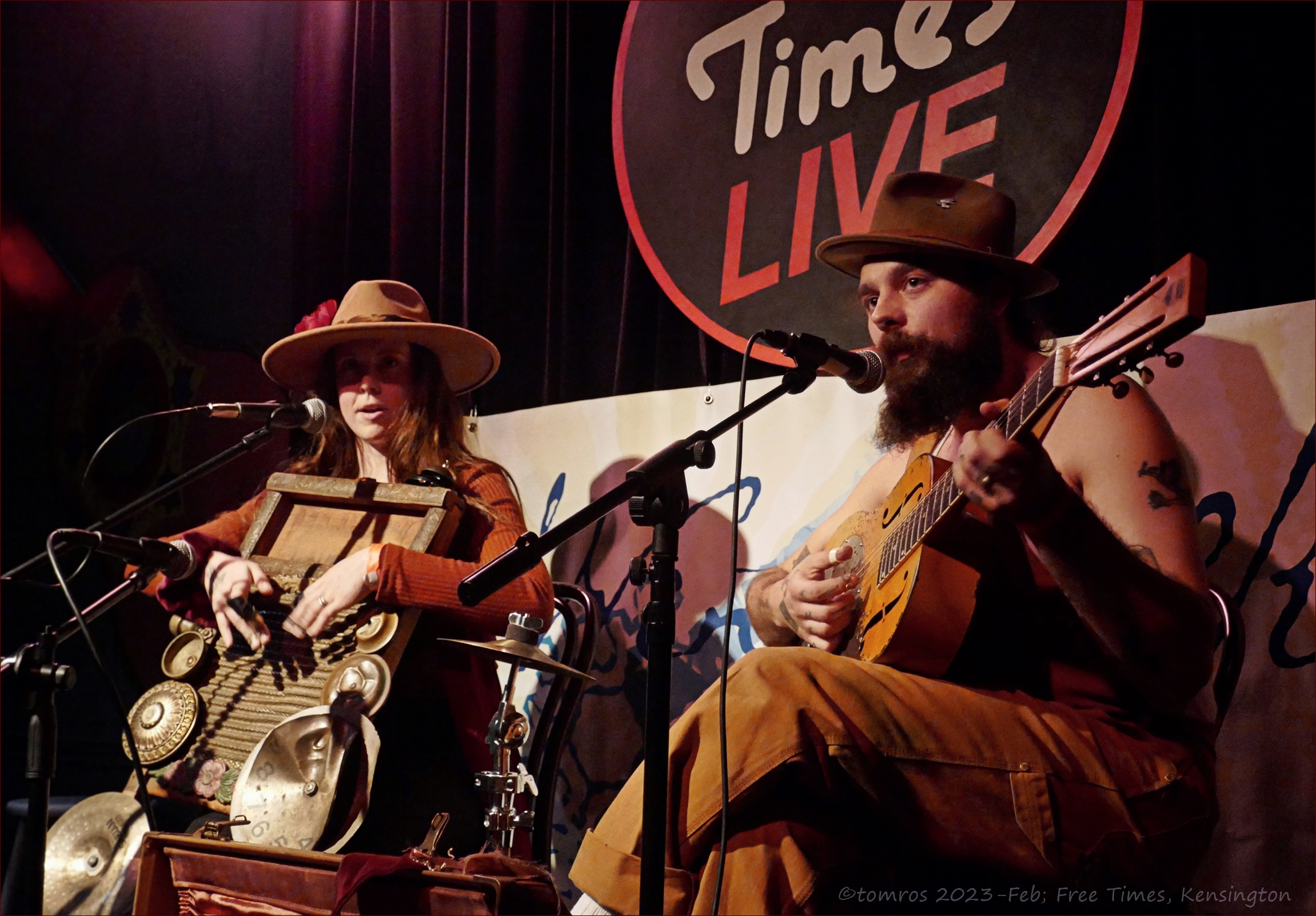
The Vaudvillians Do Winterfolk in a 60 seat venue.
The Music Changes, but its Still the Same
Each generation writes about the world it inherits.
Politics change. Social issues change. Relationships change. Technology ch anges. The things people worry about, celebrate, argue about and hope to fix change.
Eventually somebody writes a song about it.
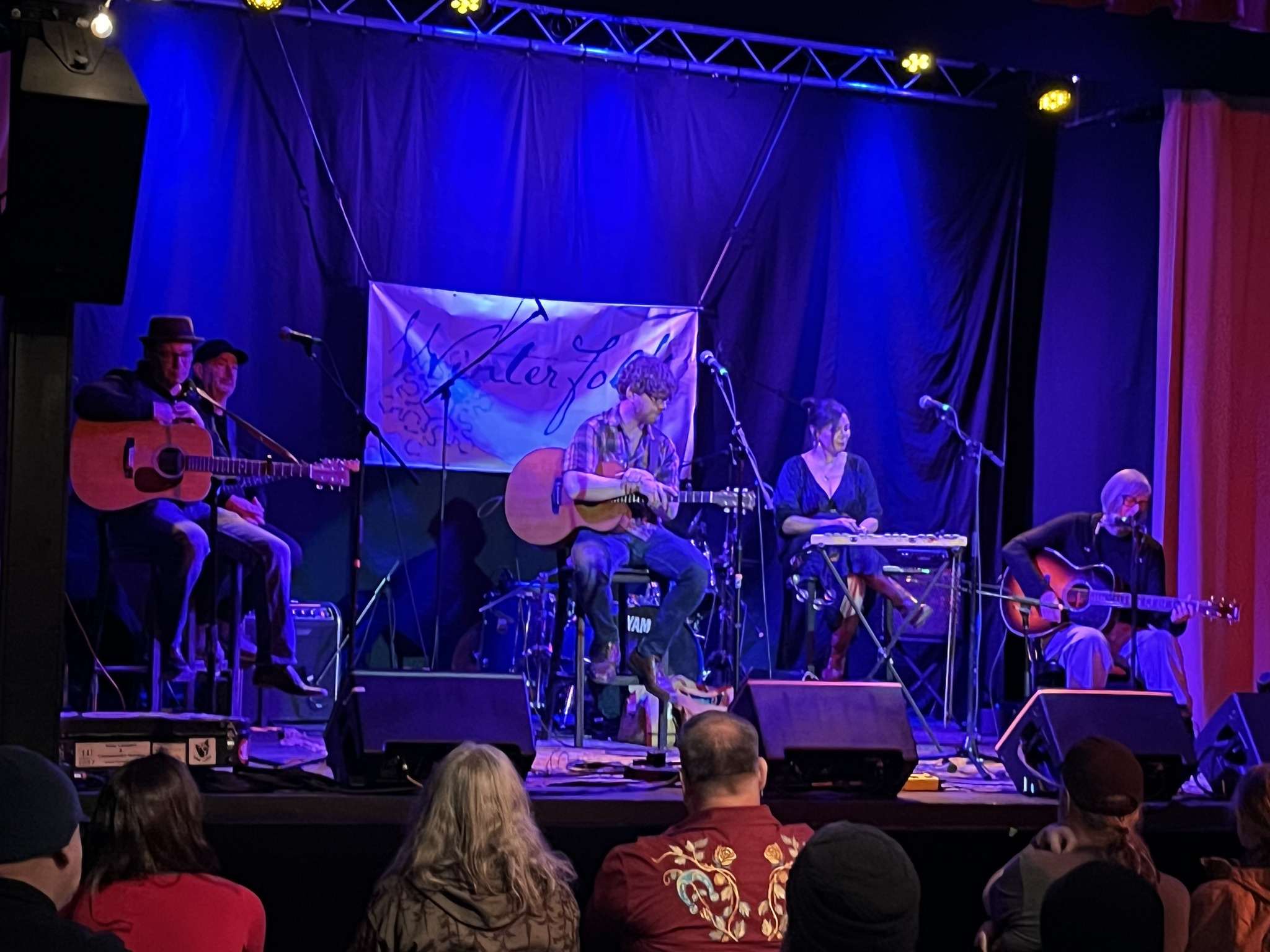
Connecting Generations Through Music
Winterfolk’s original core audience included many people who came of age during the folk revolutions of the 1960s, ’70s and ’80s. They returned year after year. Some became so familiar that the festival team knew them by name.
That generation is aging.
There is nothing particularly mysterious about that.
People change. Audiences change. Music changes.
Winterfolk tries to change with them.
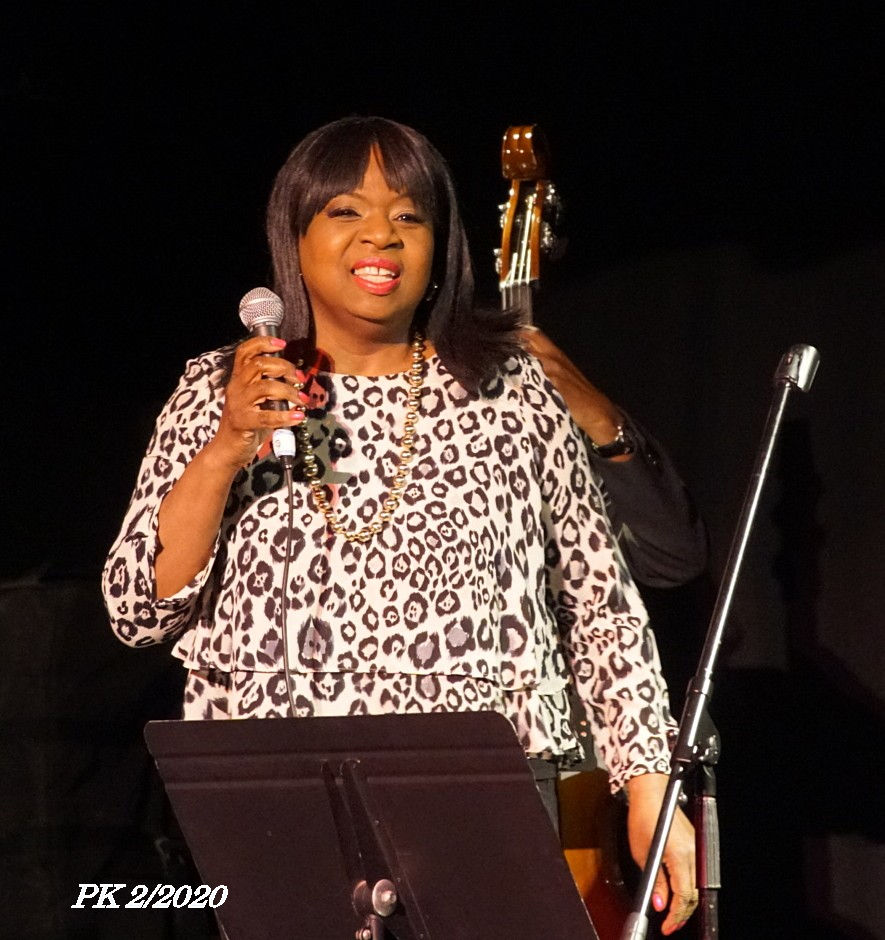
Diana Braithwaite takes the Wintefolk Stage, with partner Ken Whiteley and band.
A Winterfolk workhop on the main stage featuring Jory Nash, the Young Novelists, and more artists
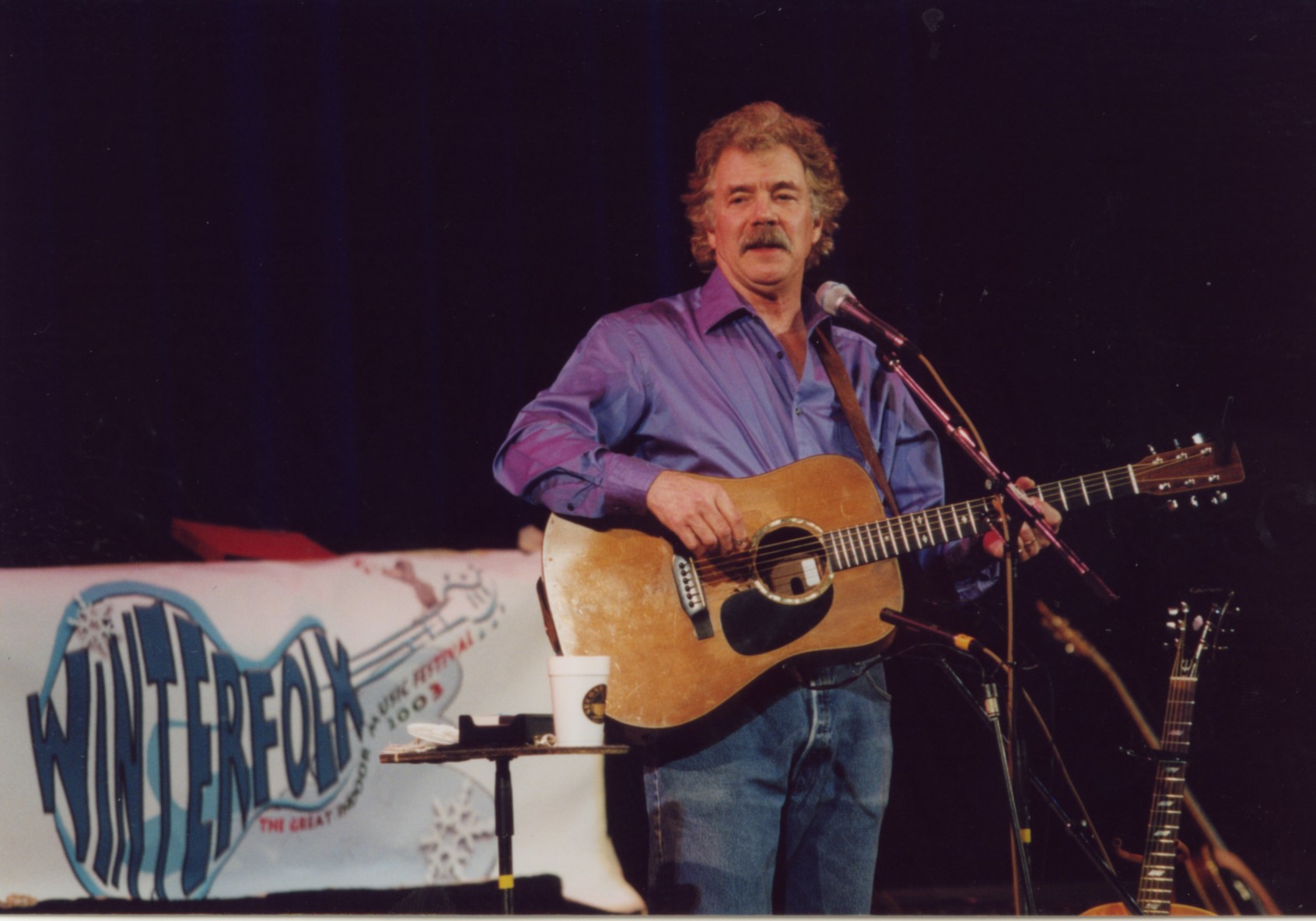
Tom Rush headlined the first Winterfolk, in 2003.
Keeping the Thing Running
Winterfolk is a not-for-profit, volunteer-driven organization with no full-time staff.
A small organizing team puts the festival together. Contractors and technical personnel are hired where required. A large volunteer crew helps turn the plan into an actual festival.
Many volunteers return year after year.
They are the workhorse of Winterfolk.
Without the community and without the volunteers, there would be no Winterfolk.
That isn’t ceremonial language put into an annual report.
It is an operating fact.
The volunteers themselves are another connection between generations.
Some have been around for years. Others are new.
Knowledge gets passed along because somebody who knows how something works shows somebody who doesn’t.
Not everything requires a training manual.
Winterfolk itself has largely been learned the same way: one year at a time.
Do something. See whether it works. If it doesn’t, fix it. If it does, remember what you did.
The method lacks glamour but has produced surprisingly durable results.
There have been lean years.
Grants can be unpredictable, sometimes leaving the festival uncertain of its final operating budget until relatively close to the event.
Winterfolk watches expenses carefully and adjusts what it does to the resources available.
Money isn’t a dirty word in the arts.
Running out of it is.
There have been other complications.
On one occasion, Winterfolk unexpectedly lost a venue during the festival. A substantial portion of the schedule suddenly had nowhere to go.
Sets were shortened, artists were combined, schedules were changed and performances moved until everybody had somewhere to play.
It wasn’t the schedule anyone had planned.
It was, however, a schedule.
Then came COVID.
Winterfolk could not operate normally, so it found another way.
Artists were filmed and interviewed, performances went online, and some live music continued under severe attendance restrictions.
At times, only a handful of people could be in a room.
Winterfolk still presented a festival.
Then, after more than two decades of deliberately staging a festival in Toronto in February, Winterfolk finally encountered a serious blizzard during festival weekend.
Apparently this possibility had been overlooked.
Attendance dropped.
The shows continued.
People still came.
They had fun anyway.
Winterfolk has not spent 25 years lurching from crisis to crisis.
Most things go right.
That is generally what planning is for.
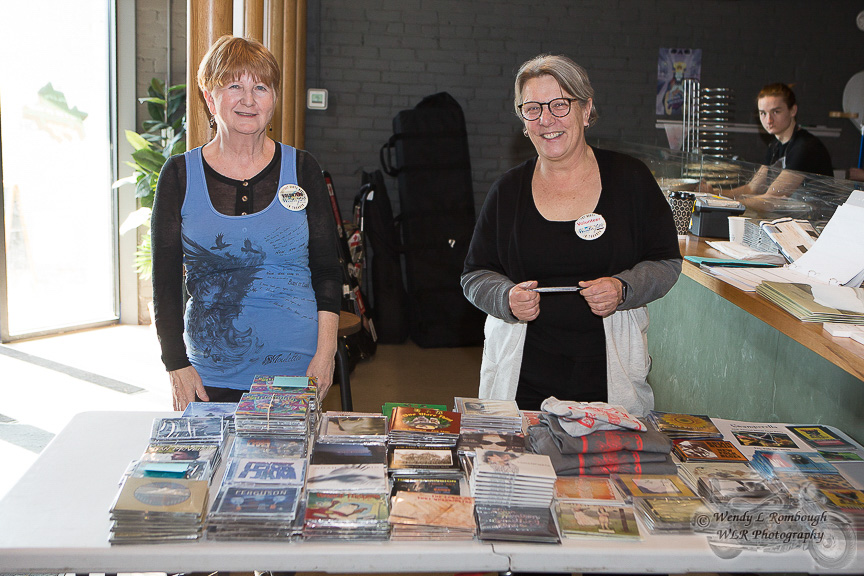
Volunteers at the ‘Merchandise Table’, selling artist’s cd’s and general merchandise.
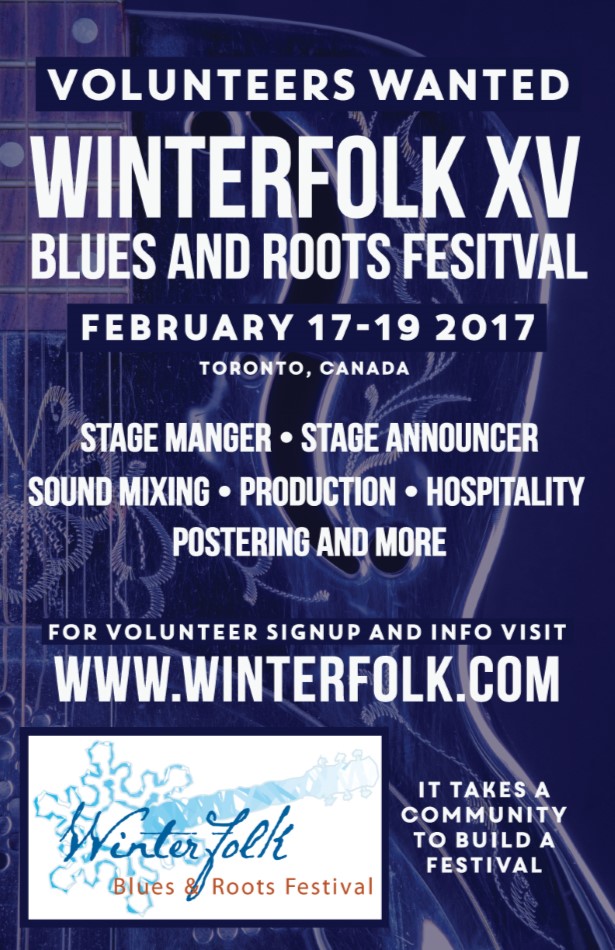
Call for Volunteers Poster from a previous festival year
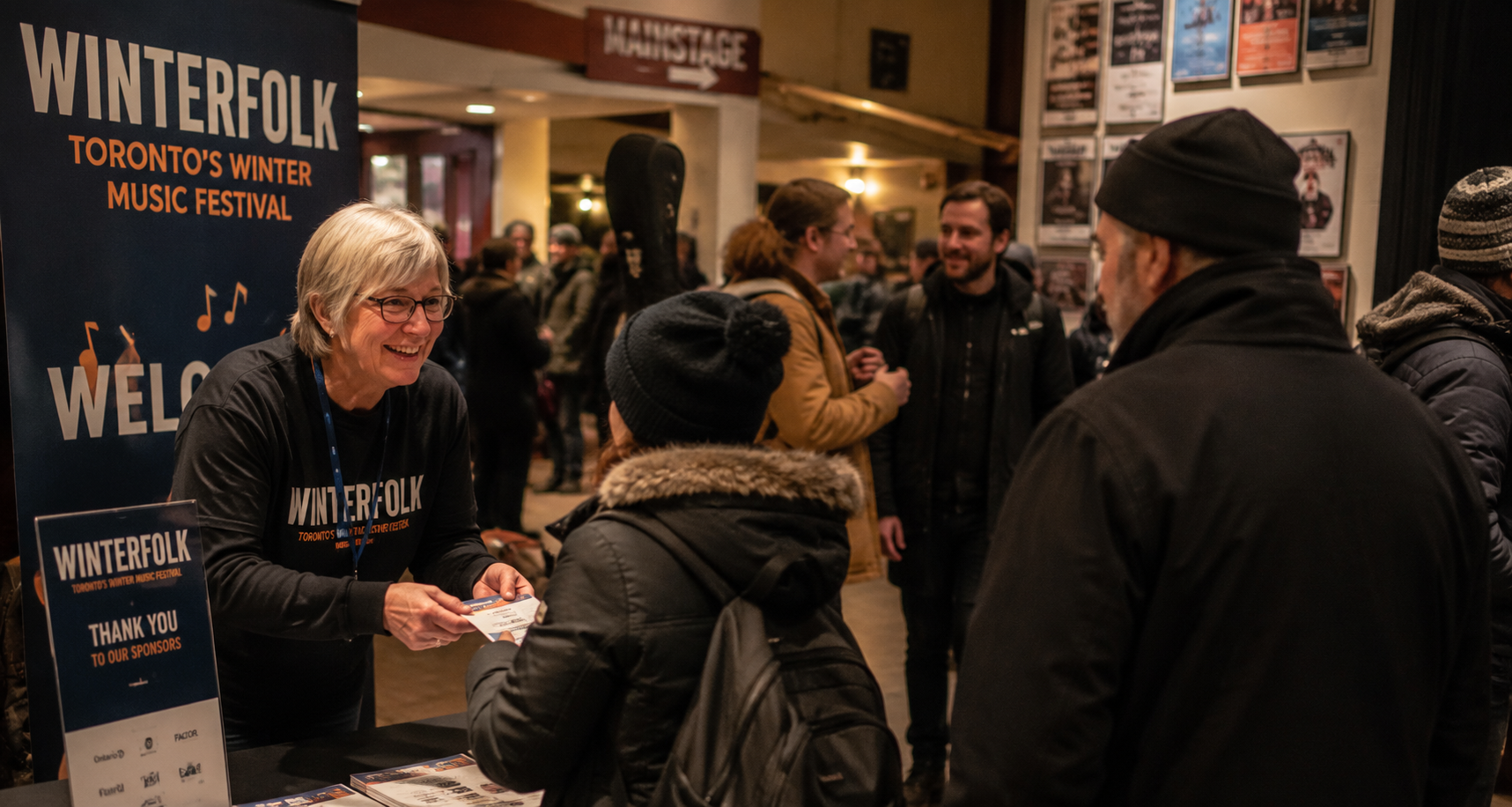
Winterfolk has no full time employees. The festival is powered by an army of volunteers
Everything Is Exactly the Same Except Different.
The larger challenge has always been keeping pace with a moving target. Ticketing changed. Promotion changed. Technology changed. Listening habits changed. Venues disappeared. Audiences changed. New artists arrived.
The basic job remained remarkably familiar. Find good artists. Put them in good rooms. Bring in an audience. Run the stages properly. Pay people. Keep expenses within available revenues. Watch what is happening in the music community. Pay attention to who is emerging and what audiences are responding to. Then do it again next February.
Everything is exactly the same except different. Perhaps that explains some of Winterfolk’s longevity. Festivals are easy to start and considerably harder to keep. Winterfolk began as an experiment in 2003 and enters its 25th edition in 2027.
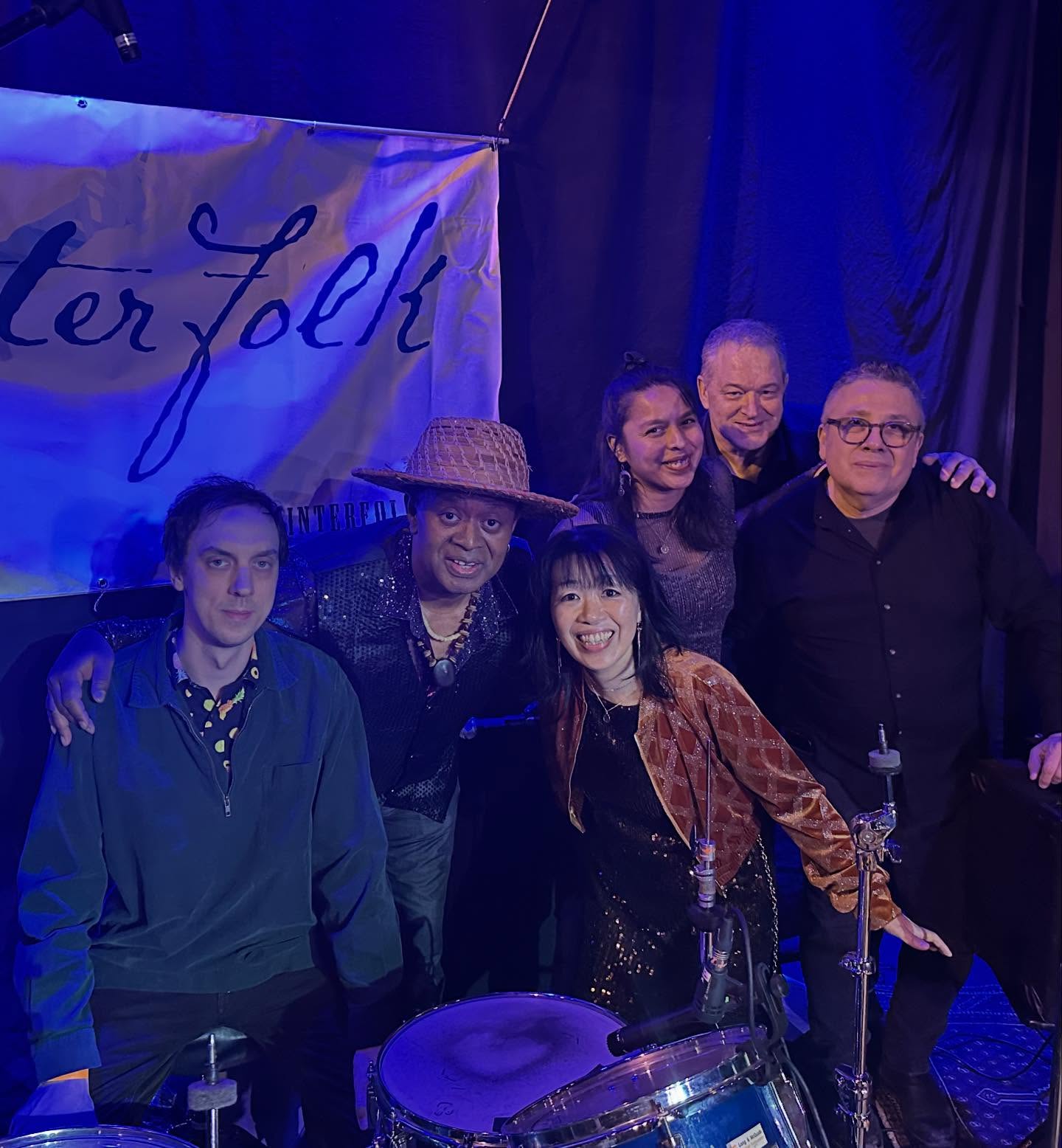
The Donne Roberts Band adorns the Winterfolk Stage
It has never been particularly interested in becoming enormous. Keep what works. Change what doesn’t. And don’t make it bigger just so somebody can say it’s bigger. Winterfolk grew out of Toronto—its musicians, audiences, clubs and winters. It isn’t designed to be mass-produced or exported from city to city.
There is some irony in what happened along the way. Winterfolk began because there was no obvious model to follow. Eventually, other festival organizers began asking Winterfolk how its model worked.
Not bad for something that started because a musician couldn’t get booked into somebody else’s festival.
The Next Generation
As Winterfolk enters its 25th edition, another generation is beginning within the organization itself. After 25 years, Brian Gladstone is preparing to hand the festival director’s role to a new director while remaining available as a mentor during the transition.
That seems particularly appropriate for a festival now described by the words Connecting Generations Through Music. The idea applies offstage too. One generation learns something. Then it passes it along.
Nobody knows what folk, roots or blues will look like ten years from now. There will be new artists, new technology, new musical styles and new problems nobody has thought of yet. Some current trends will disappear and eventually return with a new name.
Winterfolk will try to change with them.
Mostly, it will keep on keeping on.