Winterfolk History
Winterfolk: A Historical Record
Twenty-Five Editions of Music in Toronto
Winterfolk is an indoor folk, roots and blues festival based in Toronto, Ontario.
The festival was conceived in 2002 and first presented in February 2003. It was created to provide paid winter work for musicians and to give Toronto audiences an indoor alternative to Ontario’s summer festival circuit.
Winterfolk brings established and emerging artists together on several stages. Its programming includes concerts, workshops, interviews, tributes and special presentations.
Over 25 editions, Winterfolk has presented more than 2,000 artist appearances and paid performers approximately $1 million.
Connecting Generations Through Music.
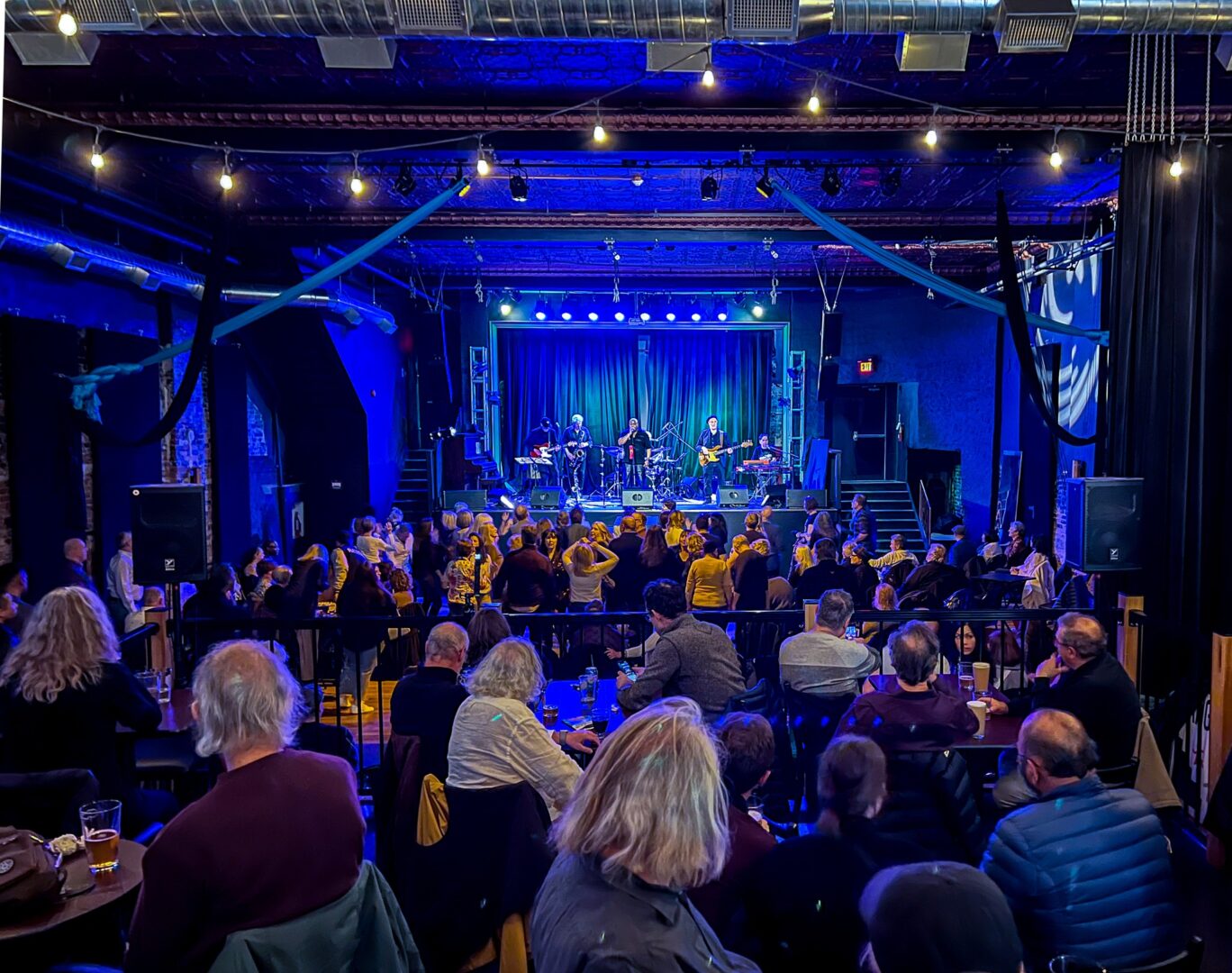
Toronto’s Inagural Winterfolk, February 2003
Winterfolk Chronology
Winterfolk has changed locations and formats several times since it was first presented in 2003. This chronology records the main locations and developments.
|
Year |
Edition or Period |
Location or Development |
|---|---|---|
|
2002 |
Planning |
Winterfolk was conceived and organized. |
|
2003–2004 |
The first two editions |
College Street and Spadina Avenue. The final day of Winterfolk I was held at Convocation Hall. |
|
2005–2008 |
First Danforth period |
Four to six venues were used each year, with the Black Swan Tavern serving as an important anchor. |
|
2009–2010 |
Chelsea Hotel |
Four stages operated entirely inside the hotel. |
|
2011–2013 |
Records under review |
Complete venue information for these editions has not yet been confirmed. |
|
2014–2019 |
Second Danforth period |
Winterfolk returned to a multi-venue neighbourhood format on the Danforth. |
|
2020 |
Records under review |
The location and format are still being confirmed. |
|
2021 |
Virtual edition |
Winterfolk programming was presented online because of COVID-19 restrictions. |
|
2022 |
Virtual edition |
Performances were recorded at the Tranzac Club and presented online. |
|
2023 |
Winterfolk XXI |
The festival returned to live neighbourhood programming in Kensington Market. |
|
February 2024 |
Postponed |
The regular February festival was postponed because of health issues. |
|
June 2024 |
Spring Edition |
A one-day, three-stage festival was presented at the Redwood Theatre. |
|
2025 |
Winterfolk XXIII |
A three-day festival was presented at the Tranzac Club. |
|
2026 |
Winterfolk XXIV |
Winterfolk expanded to four days at the Tranzac Club. |
|
2027 |
Winterfolk XXV |
The 25th edition is planned for the Tranzac Club and additional venues in the Annex. |
Some early schedules and venue records are still being researched. This chronology will be updated when those details are confirmed.
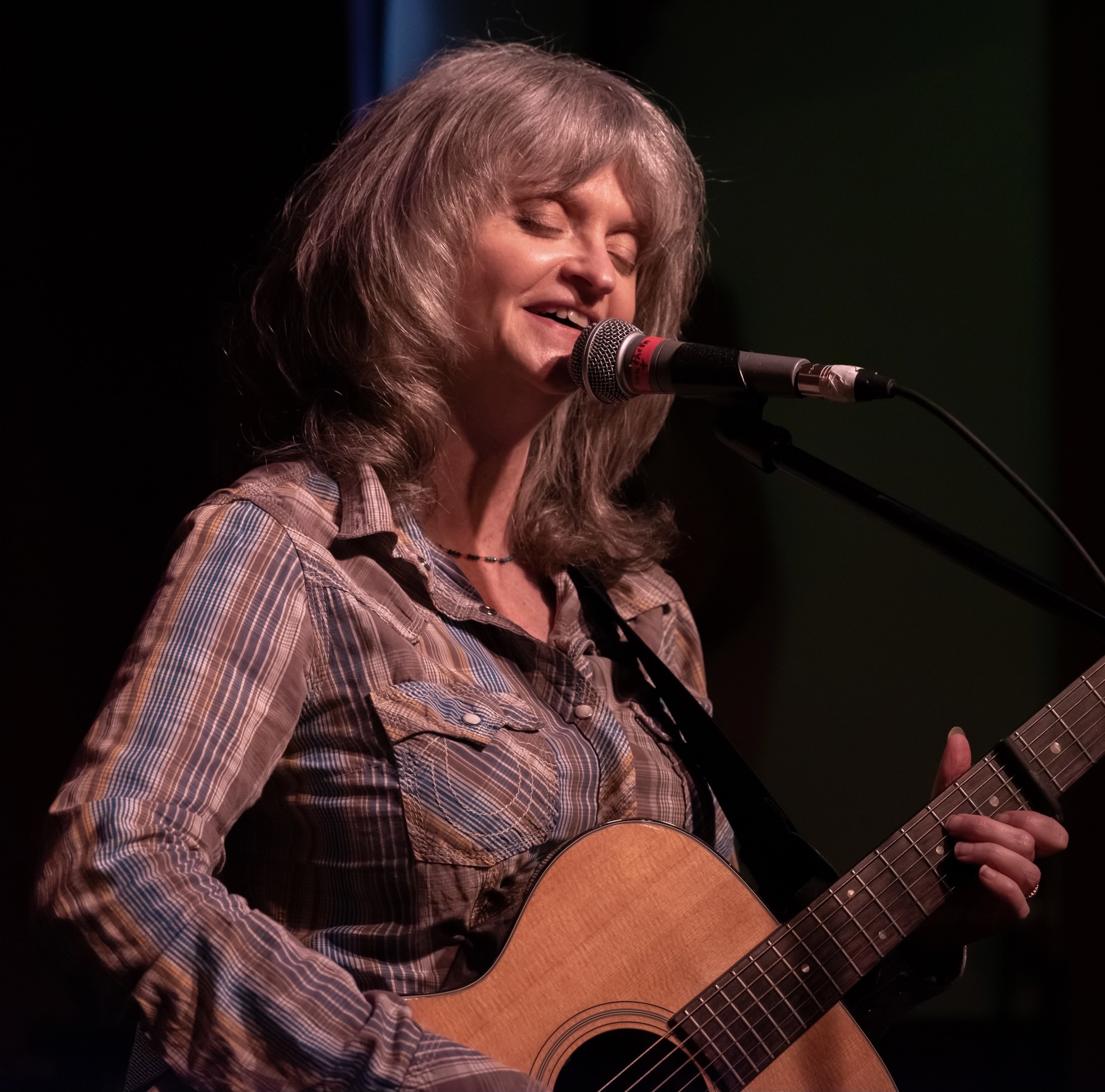
Winterfolk was conceived in 2002. Local Toronto artist Lynn Harrison takes the Stage at the inaugural Winterfolk, 2003.
Origins: 2002
The idea for Winterfolk was developed in 2002.
At the time, most Ontario folk festivals operated during the summer. Once the summer festival season ended, independent folk, roots and blues musicians had fewer paid performance opportunities.
Toronto had an active music community, a strong blues scene, many independent clubs and an audience for live roots music. What it did not have was an indoor winter festival using several downtown venues.
Bringing the Summer Festival Indoors
The original plan was to bring the main parts of a summer folk festival indoors.
-
Several stages
-
Established and emerging artists
-
Concerts and workshops
-
One admission system
-
Venues located within walking distance
-
Opportunities for audiences to discover unfamiliar artists
There was no established model for an indoor, multi-venue roots festival in downtown Toronto during February. Winterfolk had to develop its own format.
The first festival was organized during 2002 and presented in February 2003.
The First Venues
The festival used several downtown Toronto venues:
• Silver Dollar Room
• Comfort Zone
• Rancho Relaxo
• Convocation Hall
• El Macombo
The first two days used several small venues. On the third and final day, all Winterfolk programming moved to Convocation Hall. No other Winterfolk venues operated that day.
The First Artists
Tom Rush headlined the inaugural festival. Josh White Jr. also performed.
Other artists connected with Winterfolk I and the festival’s early years included Serena Ryder, Laura Smith, Jack deKeyzer, Suzie Vinnick, Digging Roots, Lynn Harrison, Sue and Dwight and Ariana Gillis.
Serena Ryder travelled from Peterborough to perform at Winterfolk I. It was her first festival appearance.
The inaugural festival established the basic Winterfolk format: established and emerging artists sharing stages in small indoor venues.
Winterfolk did not create their careers. The artists did that. Winterfolk gave them a stage.
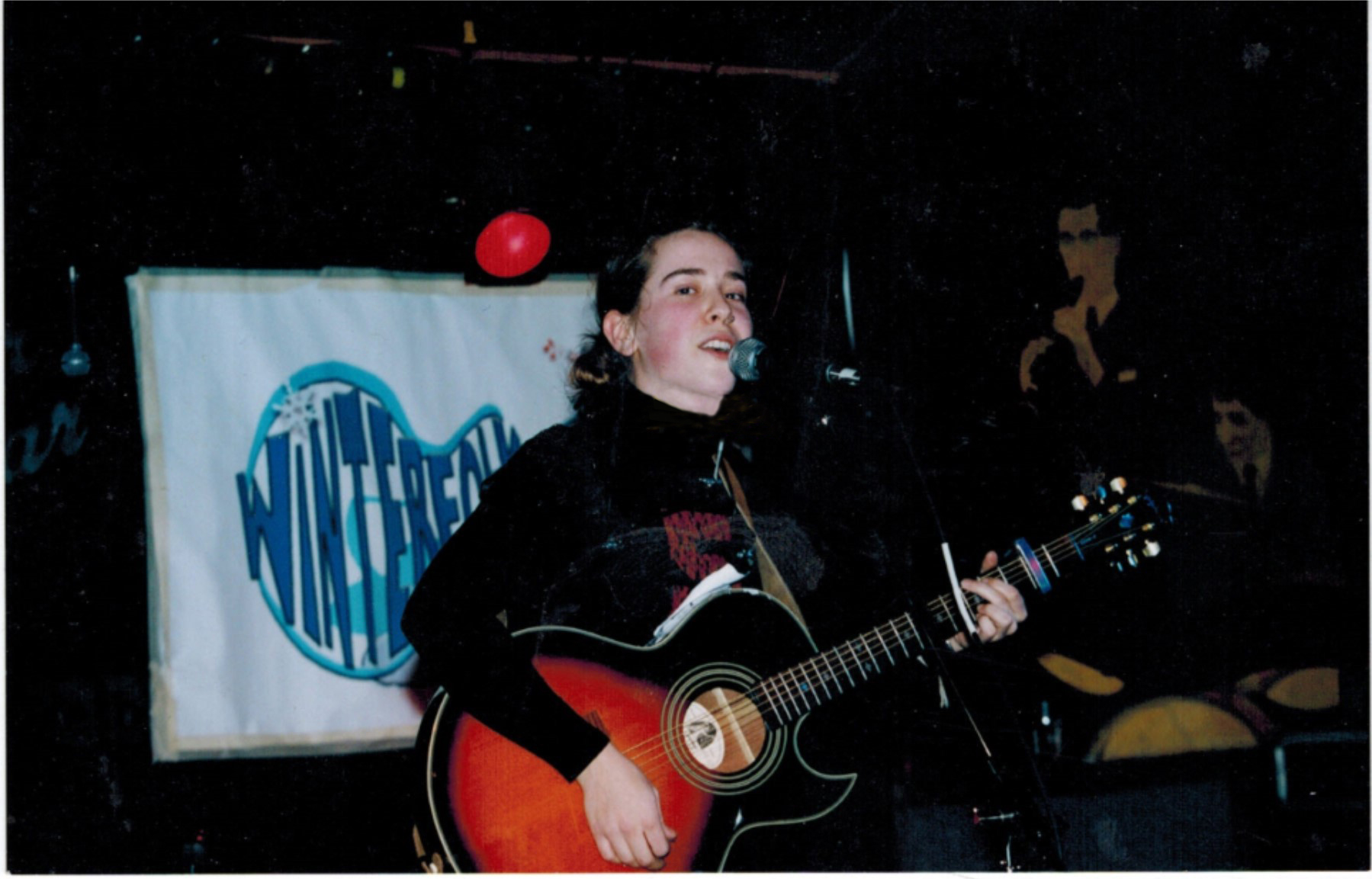
A 17 year old Serena Ryder took the bus from Peterborough Ontario to Toronto, to play her first festival – Winterfolk.
Blues legend Josh White Jr. takes the stage at Winterfolk I, 2003.
The Chelsea Hotel: 2009–2010
Winterfolk moved to the Chelsea Hotel in 2009.
The 2009 and 2010 festivals were held entirely inside the hotel. Four internal rooms were used as separate stages. No outside venues were used during these two editions.
Four Stages Under One Roof
The Chelsea Hotel provided a central location and eliminated the need for audiences to go outside when moving between performances.
The hotel format was different from the neighbourhood festivals held around College and Spadina and on the Danforth. Instead of walking between independent venues, audiences moved between four rooms inside one building.
These two editions showed that Winterfolk could operate successfully in a central location while maintaining several stages and a full festival schedule.
The Chelsea years also confirmed the importance of small rooms, close contact between artists and audiences, and the ability to move easily between performances.
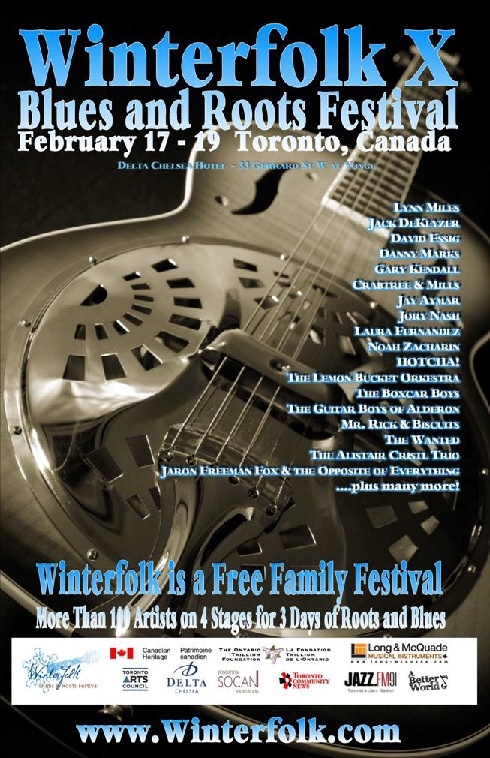
Winterfolk operated four stages inside the Chelsea Hotel in 2009 and 2010. Add the artist names, year and photographer when known.
Winterfolk, 2011–2013
Winterfolk continued to operate in 2011, 2012 and 2013.
The complete venue history for these three years is still being researched. The locations will be added to the historical record when they have been confirmed through schedules, posters, programs or other festival documents.
More Than the February Festival
During this period, Winterfolk also presented preview concerts, audition nights, benefit events and special programs.
These events helped select performers, introduce artists to audiences, promote the February festival and raise operating funds.
Media Coverage
Winterfolk received coverage from radio, television, newspapers and online media during this period.
Media outlets included CIUT, CKPC, JAZZ.FM91, Global News, Rogers, SiriusXM and the Toronto Star.
Additional information about these editions will be added as the festival archives are reviewed.