History
From a winter idea to a lasting Toronto music communityThe Origins of Winterfolk
Winterfolk was founded in Toronto in 2003. Since then, the festival has presented thousands of performers in venues across the city and has become one of Canada’s longest-running winter festivals dedicated to folk, roots and blues music.
The following timeline outlines the festival’s development, including key venues, major milestones, organizational changes, challenges and achievements.
Founded in Toronto in 2003, Winterfolk has presented thousands of artists and hundreds of performances over more than two decades.
Although founded by Brian Gladstone, Winterfolk has always been a collaborative effort, shaped by the dedication, creativity and participation of artists, volunteers, venue partners, community organizations, sponsors and audiences throughout its history.
The following sections trace the festival’s development from its beginnings as a small grassroots event to its current role as one of Canada’s longest-running winter festivals dedicated to folk, roots and blues music.
Although founded by Brian Gladstone, Winterfolk has always been a collaborative effort, shaped by the dedication, creativity and participation of artists, volunteers, venue partners, community organizations, sponsors and audiences throughout its history.
“I’m building a Folk Festival. Do you want to play?”
— Brian Gladstone, 2002
2002–2003 — The Beginning
Winterfolk founder Brian Gladstone had spent years trying to gain acceptance into Ontario’s established folk festival circuit. In 2002, after yet another rejection at a Mariposa Festival audition in Orillia, he jokingly turned to several musicians nearby and announced:
“I’m starting my own festival. Do you want to play?”
Driving home from Orillia with legendary guitarist Tony Quarrington and his sister Bonnie Gladstone, the idea slowly became more serious. Months later, Brian realized he had already invited artists to perform at a festival that did not yet exist.
So he decided to build one.
The first Winterfolk Festival was presented in 2003, launching what would eventually become one of Canada’s most unique urban folk music traditions.
2002–2003 — Creating an Urban Winter Festival
At the time, Ontario’s folk festivals were overwhelmingly summer events held in parks, campgrounds, and rural communities throughout Central and Northern Ontario. There were virtually no urban folk festivals and almost none operating during the winter months.
Winterfolk set out to change that.
The vision was ambitious and unconventional: a multi-venue folk festival held in downtown Toronto in the middle of winter. Rather than gathering in fields and campsites during the summer, audiences would move between intimate urban venues, discovering artists and building community in the heart of the city.
There was no clear model to follow.
Brian Gladstone had never organized a festival before and had attended two folk festivals. But with encouragement from Tony Quarrington and guidance from Bob Stevens, who became an early consultant and advisor, Winterfolk slowly began taking shape.
Money, however, remained a constant challenge.
Winterfolk began with virtually no funding and no financial safety net. Because the organization had not yet achieved nonprofit status, it did not qualify for government grants or arts funding. Even after incorporation, there was still a waiting period before support could be accessed.
Like many grassroots arts organizations, Winterfolk survived through determination, volunteerism, community support, and a shared belief that folk and roots music deserved a vibrant home in Toronto during the winter months.
What began as an impulsive idea slowly evolved into a festival with a mission: to celebrate great music, create community, support artists, and provide opportunities for discovery. Those principles would eventually become the foundation upon which Winterfolk continued to grow for more than two decades.
2003–2004 — College & Spadina
Winterfolk’s first home was the College and Spadina neighbourhood of downtown Toronto.
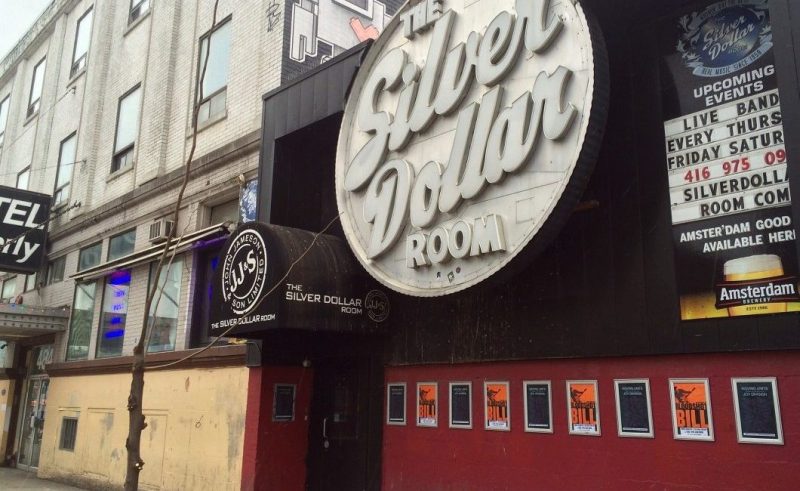
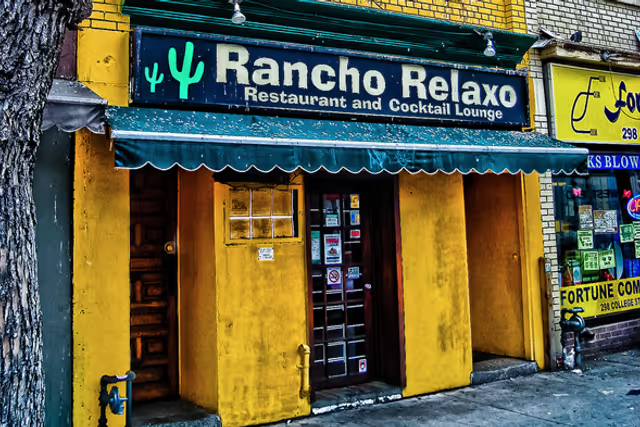
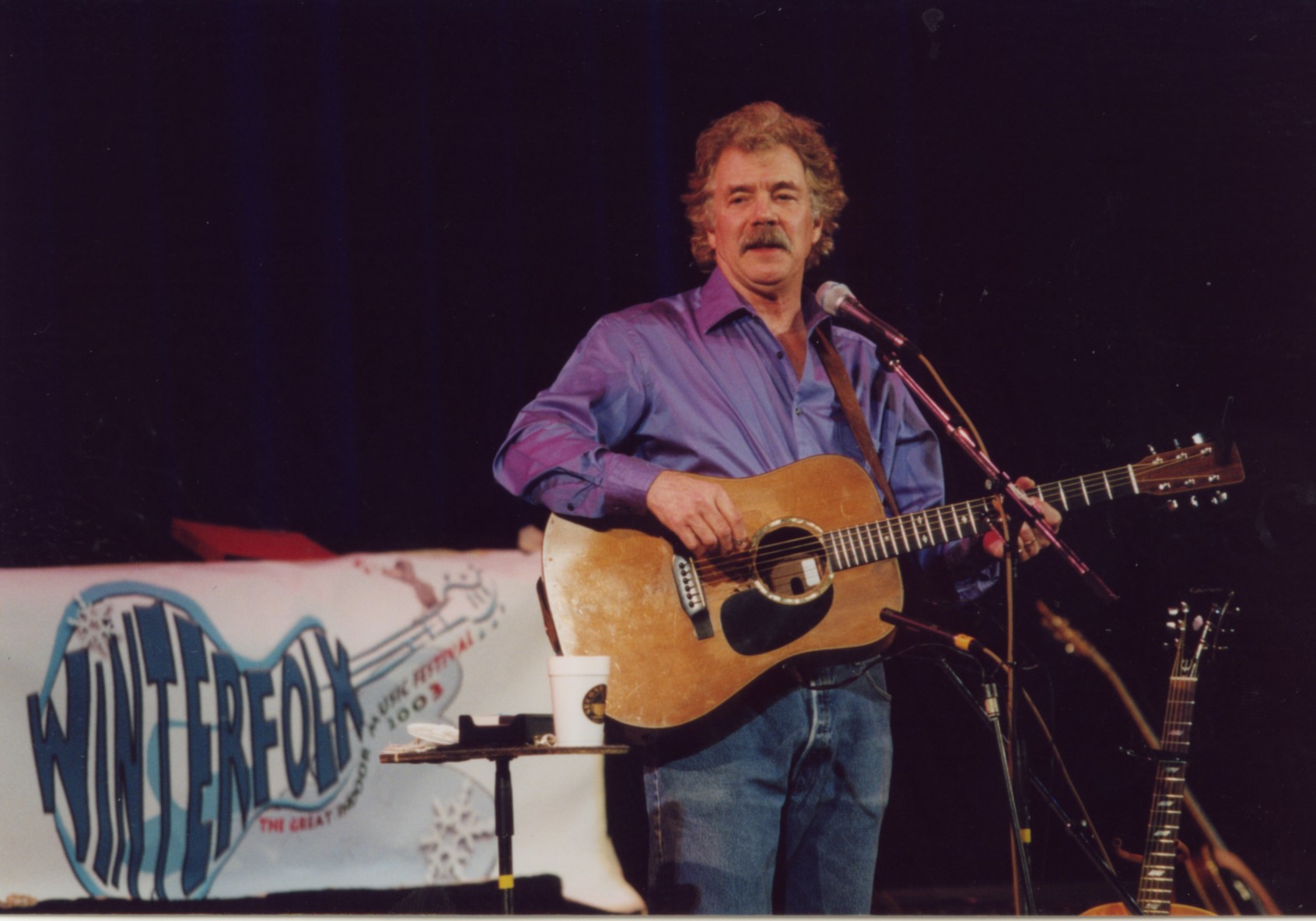
The inaugural festival stretched across several venues including the legendary Silver Dollar Room, Comfort Zone, Rancho Relazo, and other nearby establishments along College Street. On the opening Friday evening, then Saturday into night, audiences moved between venues while musicians carried instruments from stage to stage through the winter streets of Toronto.
Sunday featured a large all-day concert at Toronto’s historic Convocation Hall, bringing together artists and audiences for a memorable conclusion to the festival’s first weekend.
The inaugural festival featured remarkable performers including Tom Rush, Suzie Vinnick, and many others who would become part of Winterfolk’s growing musical family.
From the beginning, Winterfolk established something unique. Unlike traditional outdoor summer festivals, it was intimate, walkable, community-driven, and deeply connected to Toronto’s urban music culture.
The early years were financially difficult and the festival lost money during its first years. Yet despite the challenges, it quickly became clear that Winterfolk had discovered an important niche within Canada’s folk music landscape.
At a time when most folk festivals took place outdoors during the summer months, Winterfolk offered something entirely different: a vibrant urban festival experience in the heart of winter.
The idea was working.